Company · 7 October 2024
10 Valuable Insights Small Business Owners Can Learn from "Atomic Habits"

A teeny tiny habit can change destiny! If you fly from Singapore to Tokyo and the pilot decides to adjust the heading of the plane by just 3.5 degrees east, you won’t notice a thing. It’s a tiny different. However, due to the distance covered, this small shift would result in the plane landing you…
A teeny tiny habit can change destiny! If you fly from Singapore to Tokyo and the pilot decides to adjust the heading of the plane by just 3.5 degrees east, you won’t notice a thing. It’s a tiny different. However, due to the distance covered, this small shift would result in the plane landing you 325 kilometers away in the Pacific Ocean. My friends, that’s the compounding power of a small improvement applied consistently over time.
“Atomic Habits” by James Clear offers valuable insights that small business owners can apply to improve their business processes and personal productivity, through building new habits. Here are some key lessons:
1. Focus on Small, Consistent Improvements
Concept: Small, incremental changes, when applied consistently, can result in significant improvements over time.
Application: Business owners can focus on small but consistent optimizations in their daily operations, such as improving customer service, refining marketing strategies, or streamlining processes. Instead of aiming for radical shifts, they can focus on 1% improvements, which compound over time.
2. Build Systems, Not Just Goals
Concept: Clear argues that goals are important, but systems are crucial. Goals set direction, but systems drive progress.
Application: Instead of only setting revenue targets, small business owners should establish repeatable systems for achieving these goals, such as a consistent lead generation strategy or a structured sales process. Having a reliable system in place helps ensure steady progress regardless of temporary setbacks.
3. Make Habits Attractive, Easy, and Satisfying
Concept: The four laws of behavior change—make it obvious, make it attractive, make it easy, and make it satisfying—are central to building good habits.
Application: Business owners can create positive work habits in their team by making tasks rewarding and achievable. For instance, automating mundane tasks or rewarding employees for achieving small milestones makes the process of forming good habits within the team easier.
4. Identity-Based Habits
Concept: The most powerful form of habit change is identity change. Instead of focusing on what you want to achieve, focus on who you want to become.
Application: Instead of setting superficial business targets like “I want to make $100,000 in profit,” focus on “We want to become a company known for delivering quality customer service.” This shift helps to align daily actions with a deeper purpose, ensuring consistency and alignment with long-term goals.
5. Understand the Power of Habit Stacking
Concept: Habit stacking involves linking a new habit to an existing one, making it easier to incorporate.
Application: Small business owners can use this strategy to create routines that improve business operations. For example, after responding to morning emails, a business owner could make it a habit to review daily financial reports. This helps ensure important tasks are not overlooked.
6. Break Down Larger Tasks into Manageable Chunks
Concept: Clear emphasizes breaking down tasks into smaller, manageable chunks to reduce resistance and build momentum.
Application: For business owners, this approach can be used in tackling complex projects like launching a new product or revamping marketing strategies. Breaking these tasks into smaller, achievable steps ensures steady progress and reduces the likelihood of overwhelm or procrastination.
7. Track Your Progress to Build Momentum
Concept: Tracking progress, even if it’s small, is a powerful motivator and helps maintain momentum.
Application: Business owners can use this strategy to track key business metrics such as weekly sales, customer satisfaction scores, or employee productivity. Visualizing progress keeps motivation high and allows for quick adjustments.
8. Embrace the Power of Environment Design
Concept: The environment plays a critical role in shaping behavior. By designing an environment that supports your habits, you can achieve your goals more effortlessly.
Application: For small businesses, creating an environment that encourages productivity—whether it’s a well-organized workspace or a culture that supports focused work and collaboration—can significantly boost performance.
9. Adopt the “Two-Minute Rule”
Concept: The two-minute rule suggests that when starting a new habit, begin with something that takes less than two minutes to do.
Application: For business owners, if the goal is to review financials every day, they could start by spending just two minutes looking at cash flow. This minimal start helps establish the habit, and over time, it can expand to a more comprehensive review.
10. Prioritize Continuous Learning and Adaptation
Concept: Habits and systems should evolve as circumstances change. Regularly reflect on and refine habits to adapt to new challenges and opportunities.
Application: Small business owners should regularly evaluate their business habits and strategies to ensure they align with current business goals and market conditions. Continuous learning and adaptation prevent stagnation and keep the business agile.
More from Sycamore
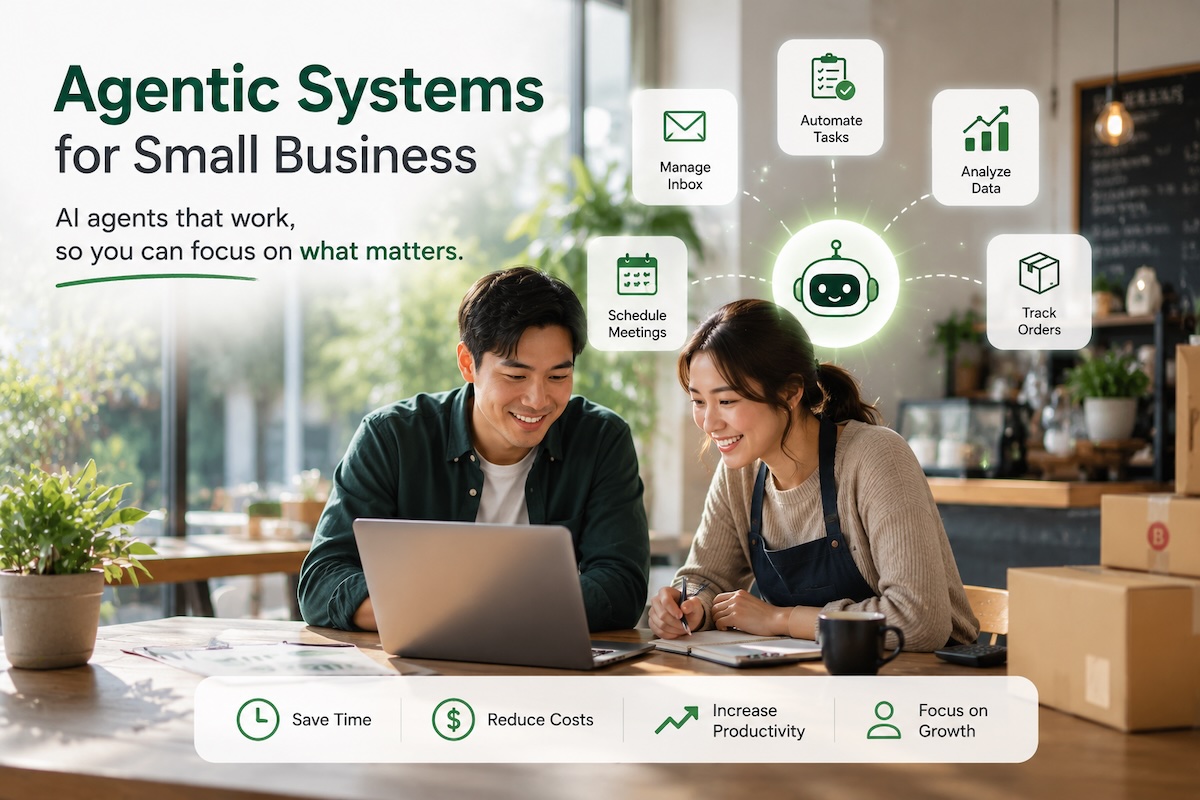
Agentic Team - Room to Grow, Before You're Ready to Hire
Agentic systems let small business owners scale before they can afford a hire, and keep the business running when a staff member leaves. Here's what that looks like in practice.

What Building 5 Apps with AI Coding Agents Taught Us
What Building 5 Apps with AI Coding Agents Taught Us Real numbers, real challenges, and why the human still matters most. Over the past few months, our team at Linx has been going deep with AI coding agents — specifically Claude Code — across a range of real client projects and our own products.

AI Middleware: The Missing Link Between Business Systems and the Future
In today’s fast-changing digital landscape, artificial intelligence (AI) has become a critical enabler of smarter business operations. Yet, many organizations still struggle to connect their existing ERP and management systems to modern AI models like ChatGPT or GPT-4.