Product · 18 February 2025
ERP Implementation: A Comprehensive Guide to Optimizing Business Operations

In today’s fast-paced business environment, efficiency is the backbone of success. Enterprise Resource Planning (ERP) systems stand out as transformative tools that streamline operations, enhance data transparency, and improve decision-making processes.
In today’s fast-paced business environment, efficiency is the backbone of success. Enterprise Resource Planning (ERP) systems stand out as transformative tools that streamline operations, enhance data transparency, and improve decision-making processes. However, the journey to a successful ERP implementation can be complex.
We have therefore put together a guide for business owners to navigate their ERP implementation successfully.
This guide provides a roadmap for business owners, coupled with our expert ERP consultation, customization, and implementation services, ensuring your business leverages the full potential of ERP technology.
Link to the full guide can be found at the end of this article. Below is a quick summary.
Understanding ERP and Its Importance
ERP systems integrate various functions—such as finance, HR, manufacturing, and supply chain—into a single, cohesive information system that operates in real time. By doing so, businesses can eliminate inefficiencies, reduce costs, and gain a competitive edge. For small to medium-sized enterprises (SMEs), an ERP system is not just a technology upgrade; it’s a strategic investment for scalable growth.
Key Steps to Successful ERP Implementation
- Needs Assessment: Identifying specific business needs and setting clear goals for what the ERP system needs to achieve.
- System Selection: Choosing the right ERP software that fits your industry requirements and budget.
- Project Planning and Management: Outlining a detailed implementation plan with timelines, milestones, and budget considerations.
- Data Migration and Security: Ensuring accurate data transfer with robust security measures to protect sensitive information.
- Customization and Integration: Tailoring the ERP system to fit unique business processes and integrating it with existing applications.
- Training and Support: Providing comprehensive training to all users and continuous support to address any issues post-implementation.
The Benefits of ERP Implementation
- Enhanced Efficiency: Automating routine tasks and streamlining business processes to reduce manual labor and errors.
- Improved Reporting and Planning: Offering real-time data analysis and reporting capabilities that aid in strategic planning and informed decision-making.
- Increased Scalability: Facilitating easy management of increased operations without significant investment in IT infrastructure.
- Customer Satisfaction: Improving service delivery through faster response times and more personalized customer service.
Why Choose Our ERP Consultation and Customization Services?
- Personalized Consultation: We understand that each business is unique. Our consultative approach ensures that the ERP solution fits your specific business model and processes.
- Proven Track Record: Success stories and case studies from our clients demonstrate the tangible benefits achieved through our services.
- Ongoing Support and Training: We provide ongoing support and hands-on training to ensure your team is proficient with the new system.
Read our full guide here.
More from Sycamore
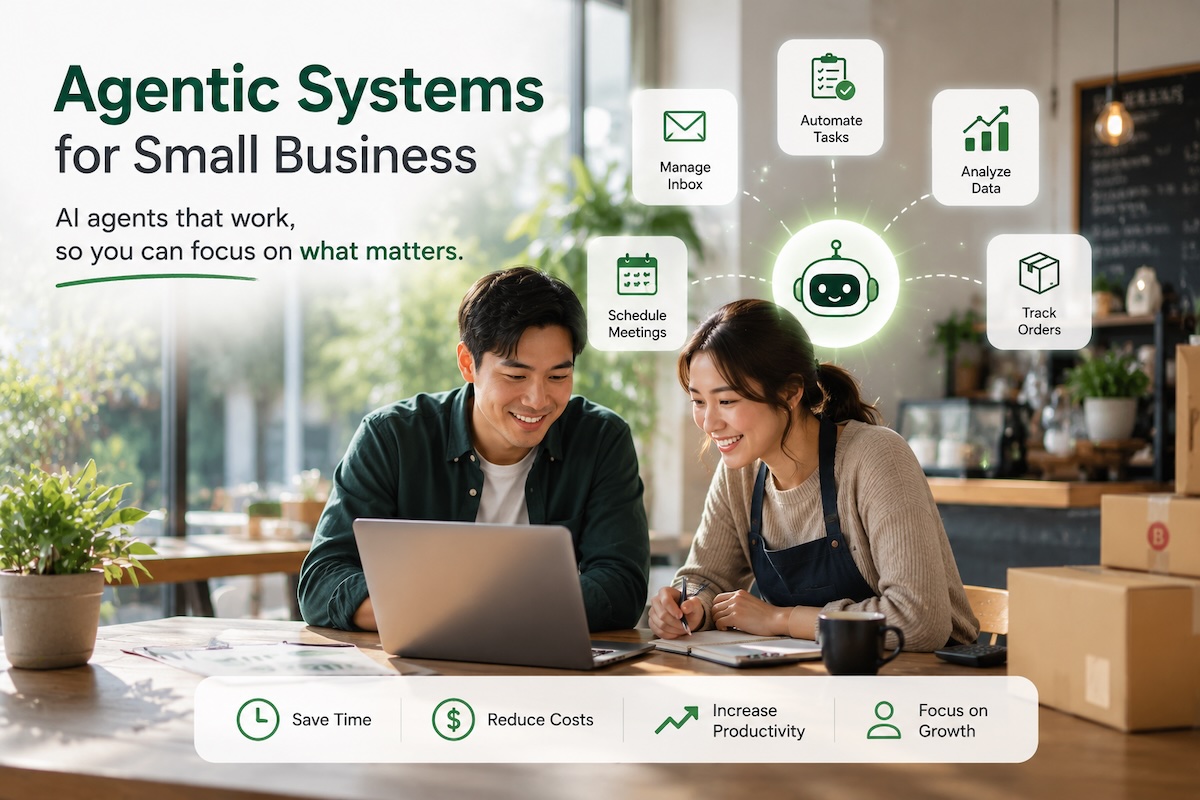
Agentic Team - Room to Grow, Before You're Ready to Hire
Agentic systems let small business owners scale before they can afford a hire, and keep the business running when a staff member leaves. Here's what that looks like in practice.

What Building 5 Apps with AI Coding Agents Taught Us
What Building 5 Apps with AI Coding Agents Taught Us Real numbers, real challenges, and why the human still matters most. Over the past few months, our team at Linx has been going deep with AI coding agents — specifically Claude Code — across a range of real client projects and our own products.

AI Middleware: The Missing Link Between Business Systems and the Future
In today’s fast-changing digital landscape, artificial intelligence (AI) has become a critical enabler of smarter business operations. Yet, many organizations still struggle to connect their existing ERP and management systems to modern AI models like ChatGPT or GPT-4.