Product · 4 December 2024
Why ERPNext Is the Perfect Fit for Small and Midsized Businesses

Small and midsized businesses (SMBs) often face unique challenges in managing their operations efficiently. Limited budgets, resource constraints, and a need for scalable, user-friendly solutions can make choosing the right enterprise resource planning (ERP) system a daunting task.
Small and midsized businesses (SMBs) often face unique challenges in managing their operations efficiently. Limited budgets, resource constraints, and a need for scalable, user-friendly solutions can make choosing the right enterprise resource planning (ERP) system a daunting task. This is where ERPNext, an open-source ERP solution, proves to be a game-changer.
1. Cost-Effective and Open-Source
ERPNext stands out for being an open-source solution, meaning businesses can access its full functionality without any licensing fees. This is particularly appealing for SMBs, as it allows them to allocate resources toward customization and implementation rather than upfront software costs. With ERPNext, you only pay for hosting and optional support services, making it a budget-friendly option for growing businesses.
And if you want some customizations that won’t require touching the ERPNext core codebase, we’re here to help you. Talk to us!
2. Comprehensive Features for Diverse Needs
ERPNext offers a wide range of features that cater to various industries, from retail and manufacturing to services and healthcare. These modules include:
- Accounting: Streamlined financial management, invoicing, and tax compliance.
- Inventory Management: Real-time tracking, stock levels, and procurement automation.
- Sales and CRM: Tools for lead tracking, customer relationship management, and sales order processing.
- Project Management: Milestone tracking, task assignments, and project cost management.
- Human Resources: Employee management, payroll, and attendance tracking.
With all these features under one roof, SMBs can manage their entire operation without needing multiple disjointed software solutions.
3. Ease of Customization
One of ERPNext’s biggest strengths is its flexibility. SMBs often have specific workflows or processes unique to their business. ERPNext allows businesses to tailor the system to their needs through custom scripts, forms, and workflows without requiring extensive technical expertise. This adaptability ensures the software grows alongside your business.
Again, our team is here to help you with the setup and customization process.
4. Cloud and On-Premise Deployment Options
ERPNext provides the flexibility to choose between cloud-based and on-premise deployment.
5. User-Friendly Interface
A common barrier for SMBs adopting ERP systems is the complexity of the software. ERPNext breaks this stereotype with its intuitive, modern interface. Employees with minimal technical training can quickly learn to navigate the system, reducing onboarding time and improving productivity.
6. Scalability and Growth
ERPNext is designed to grow with your business. As your company expands, the system can handle increased users, transactions, and complexities without requiring a complete overhaul. Its modular design means you can start with the essentials and add more functionalities as needed.
7. Community-Driven Innovation
Being an open-source platform, ERPNext benefits from a global community of developers and users. This ensures continuous improvement, innovation, and prompt resolution of issues. The ERPNext Foundation supports this ecosystem, guaranteeing a long-term commitment to its development and sustainability.
8. Seamless Integration
ERPNext integrates smoothly with third-party tools and platforms, such as e-commerce websites, payment gateways, and APIs. This connectivity is essential for SMBs that want to unify their digital ecosystem and reduce operational silos.
Want to implement ERPNext?
Talk to us for a free consultation session.
More from Sycamore
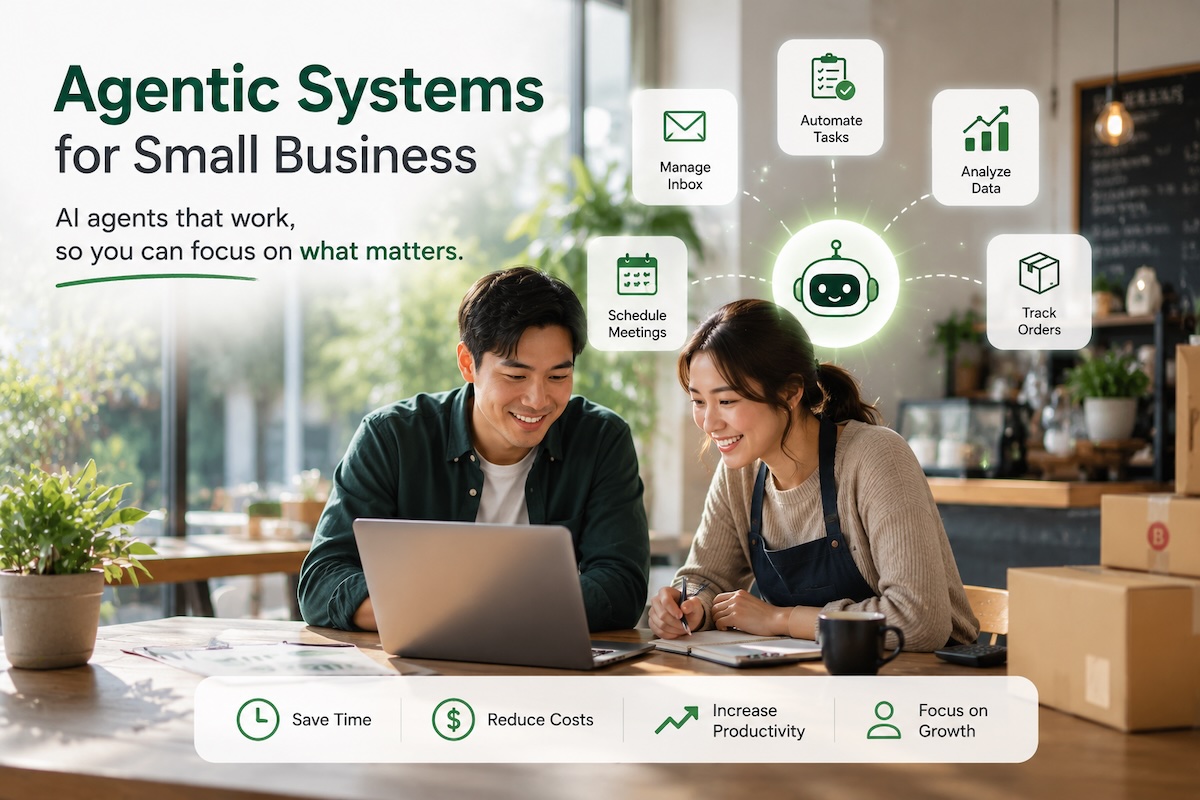
Agentic Team - Room to Grow, Before You're Ready to Hire
Agentic systems let small business owners scale before they can afford a hire, and keep the business running when a staff member leaves. Here's what that looks like in practice.

What Building 5 Apps with AI Coding Agents Taught Us
What Building 5 Apps with AI Coding Agents Taught Us Real numbers, real challenges, and why the human still matters most. Over the past few months, our team at Linx has been going deep with AI coding agents — specifically Claude Code — across a range of real client projects and our own products.
AI Middleware: The Missing Link Between Business Systems and the Future
In today’s fast-changing digital landscape, artificial intelligence (AI) has become a critical enabler of smarter business operations. Yet, many organizations still struggle to connect their existing ERP and management systems to modern AI models like ChatGPT or GPT-4.